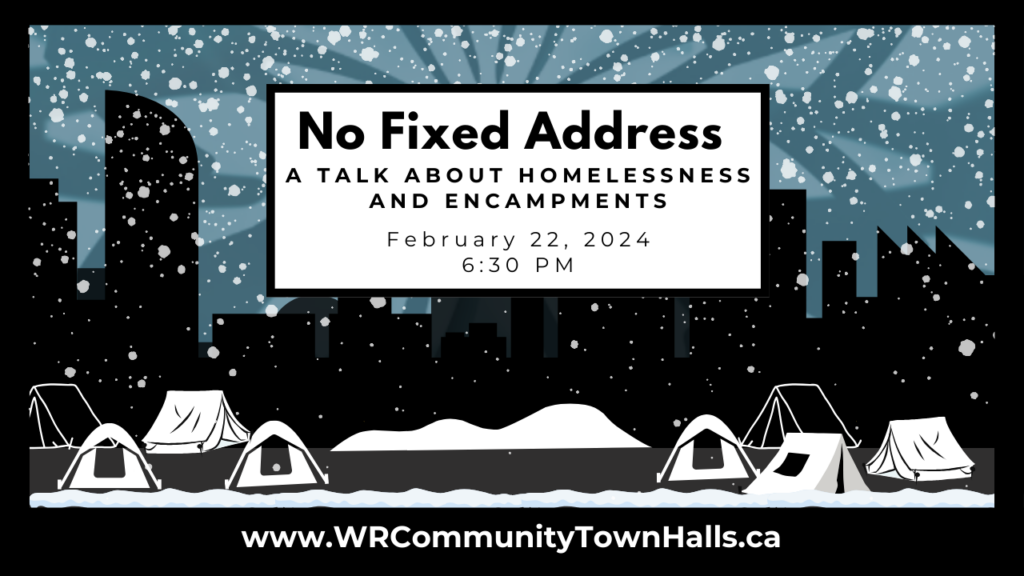
What: No Fixed Address: A Talk About Homelessness and Encampments
When: 6:30pm to 8:30pm on Thursday 22 February 2024
Where: Online only, link sent with registration
Register: Tickets from Eventbrite
With the ever escalating housing crisis, a growing number of people are confronting the harsh realities of homelessness. Despite concerted efforts, community services and shelters are struggling to keep pace with surging demand, leaving many people without access to even these temporary solutions.
Faced with this stark reality, people must forge their own paths to survival, resulting in an increasing presence of makeshift shelters and tents, as residents seek safety and refuge from the often unforgiving elements.
As we grapple with the pressing need for both short-term and long-term solutions to address the root causes of homelessness, the struggle of those living outdoors remains. What can we do to better meet the basic needs, care, and well-being of these people? How can we enhance our approach to this issue, and what proactive steps are other municipalities taking to make a positive and impactful difference in the lives of those affected?
On February 22nd, from 6:30 to 8:30 PM, join host Regional Councillor Rob Deutschmann in this first virtual town hall segment of 2024 focused on homelessness and encampments.
Featured guest speakers include:
- Dr. Erin Dej, Associate Professor, Department of Criminology, Wilfrid Laurier University (Waterloo, ON)
- Fiona York, CRAB Park Advocate (Vancouver BC)
- Margaret Capes, Legal Education Coordinator, Community Law School (Sarnia-Lambton, ON)
- Greg Nash, London Intercommunity Health Centre, Director-Complex Urban Health (London, ON)
- Chantelle McDonald,London Cares Homeless Response Services, Director of Service (London, ON)
- Kaite Burkholder Harris, Executive Direction, Alliance to End Homelessness Ottawa (Ottawa, ON)
- Jaime Stief, Community Advocate (Kitchener, ON)
- Mike Lethby, (Niagara Falls)
Additional information on our website at WR Community Town Halls.
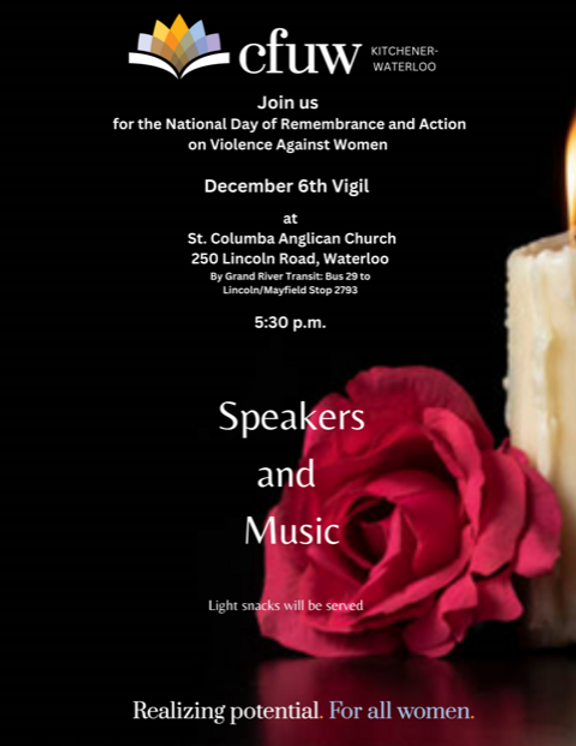
 CKMS Community Connections for 4 December 2023: The CFUW December 6 vigil for the National Day of Remembrance and Action on Violence Against Women with Margaret Walker and Fadilah Balogun


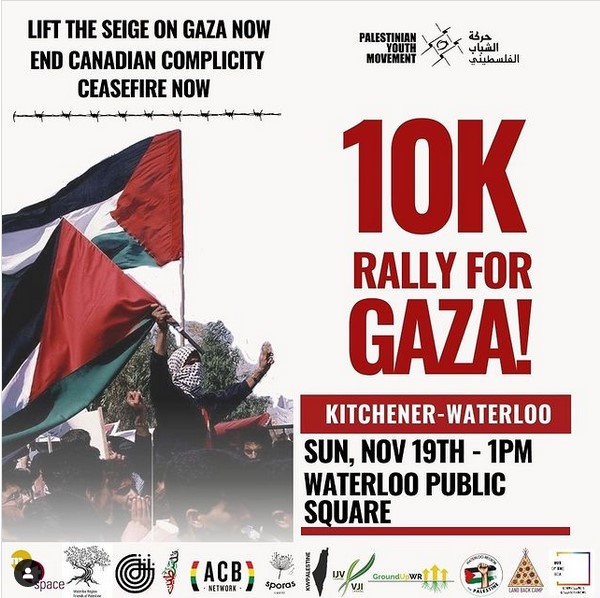
 350.org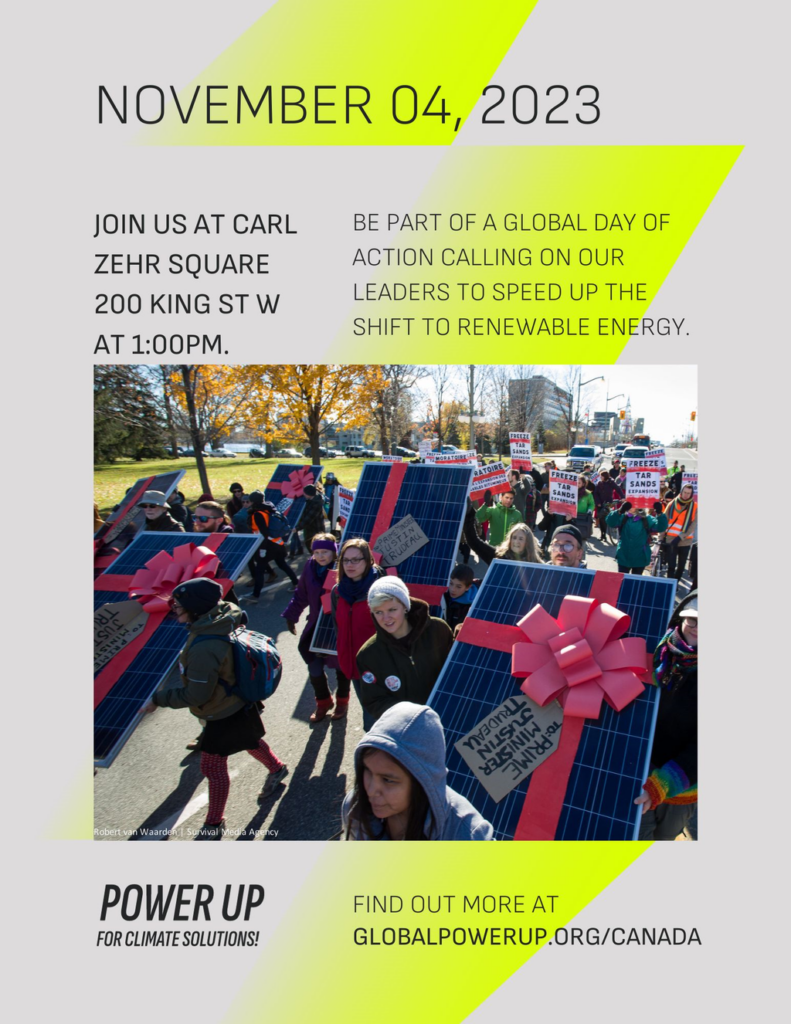
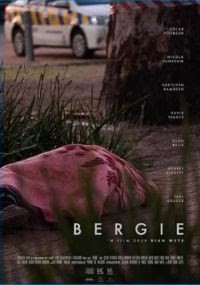 Bergie: The term “bergie” is a South Africanism that refers to people that are homeless. This short film presents the view with a problem — a law enforcement officer has to remove homeless people sleeping on a path in the city in order to make way for a 10km fun-run. To do this, he has to wrestle with fundamental questions about the dignity of human life.
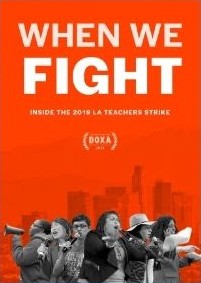 When We Fight: In the second largest school district in the United States, in Los Angeles, California, 98% of the teachers vote to authorize a strike. Watch as one of the largest educator strikes in modern U.S. history unfolds in real-time, highlighting the stories and leadership of some of the women who led it, from union leaders to classsroom teachers. When We Fight goes behind picket lines, documenting how and why teachers strike.
 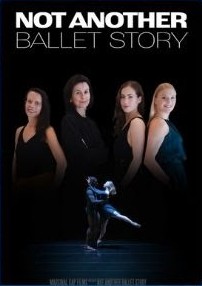 Not Another Ballet Story: Choreography is traditionally a male dominated occupation. In this inspiring documentary, a small contemporary dance company in San Francisco provides dancers, many of them female, with the unique opportunity to choreograph modern ballet productions. The hope is that this experience will give rise to more female creators, leaders, and choreographers.
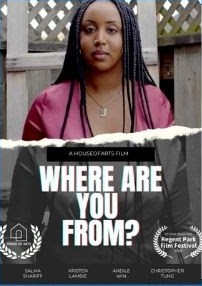 Where Are You From? This film depicts a true story based on the producer’s life. A young woman goes to an interview and is asked a simple question — one commonly asked in Canada. Her not so simple answer gives us a personalized glimpse into the often complicated histories, experiences, and identities of refugees, migrants, and immigrants.
 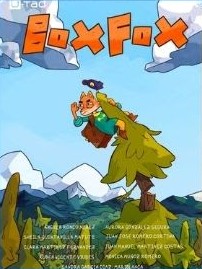 Box Fox: In this exciting animated film, a intrepid fox-adventurer travels through a dangerous fantasy world to find a enigmatic girl whose face appears in a a mysterious token. Is this really an adventure, or is this just a job?
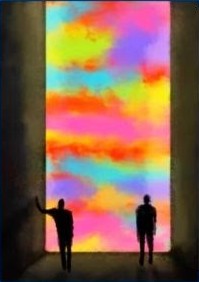 We Are The Earth: A powerful short animated poem that takes us from anxiety and fear about the current state of our world to empowerment and hope for the future. It is is call to collective action.
 Whitewash: Whitewash looks at the pressure felt amongst Iranian immigrants tin Canada to change their given names to Western names to increase their chance of getting a job, and the consequences that develop due to this act of cultural and identity erasure.